

When it comes to purchasing dry - type transformers, one of the most critical technical parameters to consider is the dielectric strength. As a supplier of dry - type transformers, I understand the importance of this factor and its implications for the performance and safety of the transformers. In this blog, I will delve into what dielectric strength means for dry - type transformers, why it matters, and how it can influence your buying decision.
What is Dielectric Strength?
Dielectric strength is defined as the maximum electric field that a dielectric material can withstand without experiencing electrical breakdown. In the context of dry - type transformers, the dielectric material can be the insulation system used to separate the conductive parts, such as coils and cores. It is usually measured in volts per unit length, typically kilovolts per millimeter (kV/mm).
For dry - type transformers, the dielectric strength determines the ability of the insulation to prevent the flow of electric current between different parts of the transformer under high - voltage conditions. When the electric field across the insulation exceeds its dielectric strength, a phenomenon called electrical breakdown occurs. This can lead to arcing, short - circuits, and ultimately, damage to the transformer.
Why is Dielectric Strength Important for Dry - Type Transformers?
Safety
Safety is the primary concern in any electrical system. A dry - type transformer with high dielectric strength is less likely to experience electrical breakdown, reducing the risk of fire, electric shock, and other safety hazards. In industrial and commercial settings, where dry - type transformers are commonly used, ensuring the safety of personnel and equipment is of utmost importance.
Reliability
Reliability is crucial for the continuous operation of electrical systems. Transformers with adequate dielectric strength can withstand normal operating voltages and occasional voltage surges without failure. This helps to minimize downtime and maintenance costs, ensuring that your electrical system runs smoothly.
Performance
The dielectric strength also affects the performance of the transformer. A well - insulated transformer with high dielectric strength can operate more efficiently, reducing energy losses and improving the overall power quality. This is especially important for applications that require a stable and high - quality power supply.
Factors Affecting the Dielectric Strength of Dry - Type Transformers
Insulation Material
The type of insulation material used in the transformer has a significant impact on its dielectric strength. Common insulation materials for dry - type transformers include epoxy resin, fiberglass, and Nomex paper. Each material has its own dielectric properties, and the choice of material depends on factors such as the operating voltage, temperature, and environmental conditions.
For example, epoxy resin has excellent dielectric strength and is resistant to moisture and chemicals, making it suitable for a wide range of applications. Fiberglass is also a popular choice due to its high mechanical strength and good dielectric properties. Nomex paper, on the other hand, is known for its high thermal stability and can withstand high temperatures without losing its dielectric strength.
Manufacturing Process
The manufacturing process of the transformer can also affect its dielectric strength. Proper winding techniques, impregnation, and curing processes are essential to ensure the integrity of the insulation system. Any defects or voids in the insulation can reduce the dielectric strength and increase the risk of electrical breakdown.
For instance, during the winding process, it is important to ensure that the coils are wound tightly and evenly to minimize the air gaps between the turns. The impregnation process, which involves filling the insulation with a resin or varnish, should be carried out under controlled conditions to ensure complete penetration and proper curing.
Environmental Conditions
The environmental conditions in which the transformer operates can have a significant impact on its dielectric strength. High humidity, temperature, and pollution levels can all degrade the insulation material over time, reducing its dielectric strength.

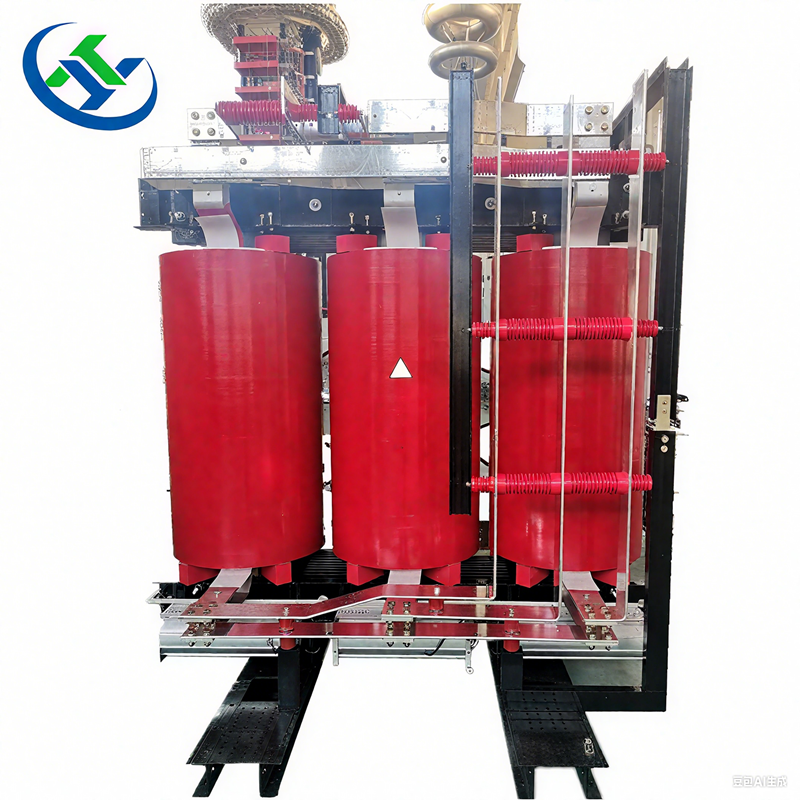
In humid environments, moisture can penetrate the insulation and cause a decrease in the dielectric strength. High temperatures can also accelerate the aging process of the insulation material, leading to a reduction in its mechanical and electrical properties. Pollutants such as dust, dirt, and chemicals can accumulate on the surface of the insulation, increasing the risk of surface tracking and electrical breakdown.
How to Evaluate the Dielectric Strength of Dry - Type Transformers?
Manufacturer's Specifications
When buying a dry - type transformer, the first step is to review the manufacturer's specifications. The specifications should include information about the dielectric strength of the transformer, as well as the test methods used to determine it. Look for transformers that meet or exceed the relevant industry standards, such as IEEE, IEC, or ANSI.
Testing
In addition to reviewing the manufacturer's specifications, it is also advisable to conduct independent testing of the transformer. This can include tests such as the dielectric withstand test, which involves applying a high voltage to the transformer for a specified period of time to ensure that it can withstand the voltage without breakdown.
There are also other non - destructive testing methods available, such as partial discharge testing. Partial discharges are small electrical discharges that occur within the insulation system before a complete breakdown. By detecting and monitoring partial discharges, it is possible to assess the condition of the insulation and predict potential problems before they occur.
Our Dry - Type Transformer Offerings
As a supplier of dry - type transformers, we offer a wide range of products with high dielectric strength to meet the diverse needs of our customers. Our transformers are designed and manufactured using the latest technology and high - quality insulation materials to ensure optimal performance and reliability.
We have Dry - Type Drive Isolation Transformer, which is specifically designed for drive applications. These transformers provide electrical isolation between the power source and the drive, protecting the drive from voltage spikes and improving its performance.
Our Cast Resin Dry - Type Rectifier Transformer for Hydrogen Production is suitable for hydrogen production applications. It is designed to withstand the high - voltage and high - current requirements of the rectification process, with excellent dielectric strength and thermal stability.
For railway applications, we offer Cast Resin Transformer for Railway. These transformers are designed to meet the strict safety and reliability requirements of the railway industry, with high dielectric strength and resistance to vibration and shock.
Conclusion
In conclusion, the dielectric strength is a critical factor to consider when buying dry - type transformers. It affects the safety, reliability, and performance of the transformer, and is influenced by factors such as the insulation material, manufacturing process, and environmental conditions. By understanding the importance of dielectric strength and evaluating it carefully, you can make an informed decision when purchasing a dry - type transformer.
If you are interested in our dry - type transformers or have any questions about dielectric strength, please feel free to contact us for further discussion and procurement negotiation. We are committed to providing you with high - quality products and excellent customer service.
References
- IEEE Standards Association. (20XX). IEEE Standard for Dry - Type Distribution and Power Transformers.
- International Electrotechnical Commission (IEC). (20XX). IEC Standard for Dry - Type Transformers.
- American National Standards Institute (ANSI). (20XX). ANSI Standard for Dry - Type Transformers.