

When delving into the world of dry-type transformers, one crucial question often surfaces: "Do I need to consider the ambient temperature when buying dry-type transformers?" As a supplier of dry-type transformers, I've encountered this query numerous times from customers seeking the most suitable transformers for their specific needs. In this blog, I'll explore the significance of ambient temperature in the selection process and how it impacts the performance and lifespan of dry-type transformers.
Understanding the Basics of Dry-Type Transformers
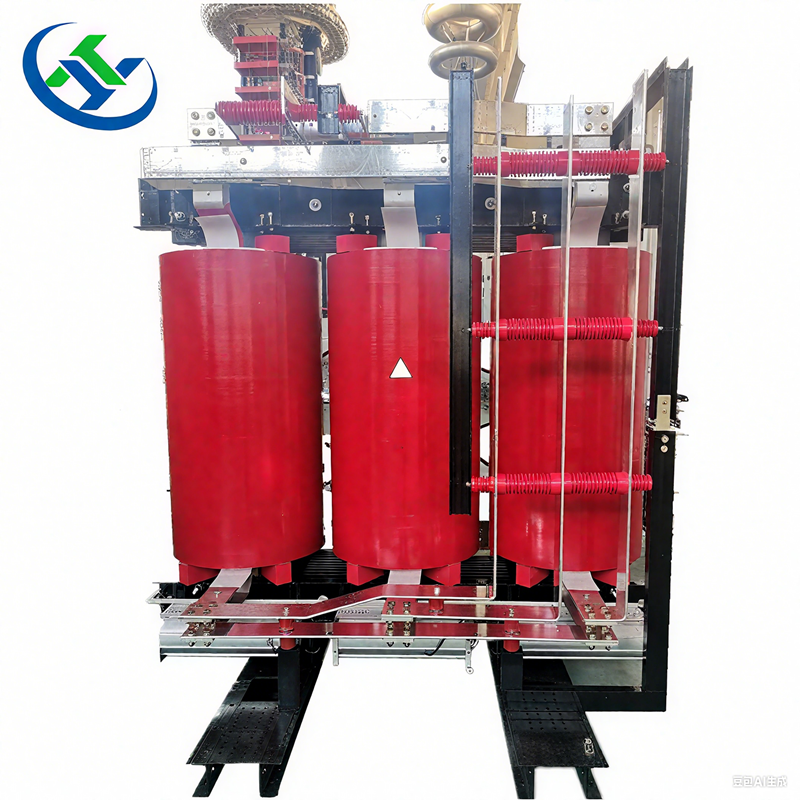
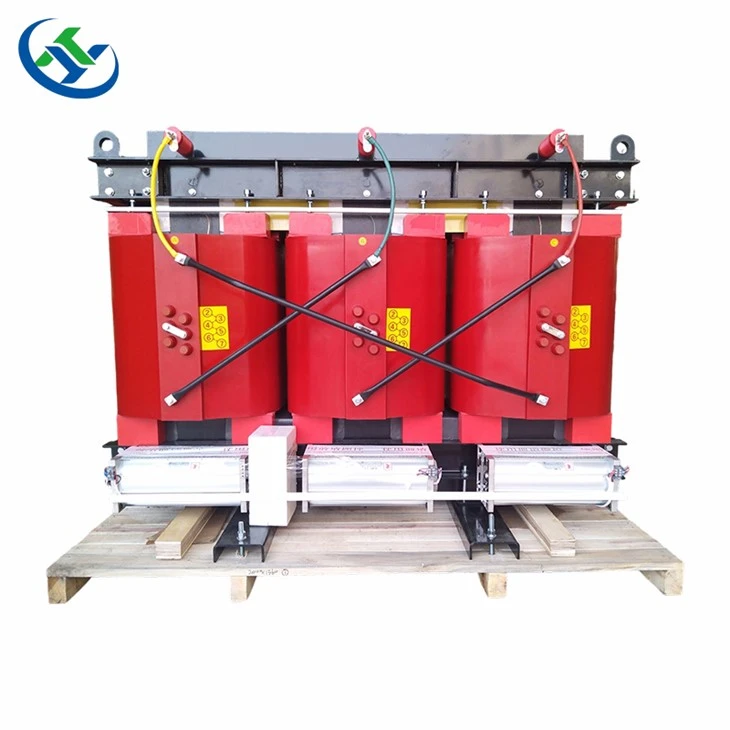
Dry-type transformers are widely used in various applications, including commercial buildings, industrial facilities, and renewable energy projects. Unlike oil-filled transformers, dry-type transformers do not use oil as a cooling and insulating medium. Instead, they rely on air circulation to dissipate heat generated during operation. This makes them a safer and more environmentally friendly option, especially in indoor or sensitive environments where the risk of oil spills or fires is a concern.
The Impact of Ambient Temperature on Dry-Type Transformers
The ambient temperature plays a critical role in the performance and reliability of dry-type transformers. Here's how:
1. Heat Dissipation
Dry-type transformers generate heat during operation, and the ability to dissipate this heat effectively is crucial for maintaining optimal performance. The ambient temperature directly affects the rate of heat transfer from the transformer to the surrounding environment. In high ambient temperatures, the temperature difference between the transformer and the surroundings is reduced, which can impede heat dissipation. As a result, the transformer may operate at higher temperatures, leading to increased losses, reduced efficiency, and potentially shorter lifespan.
2. Insulation Life
The insulation system of a dry-type transformer is designed to withstand certain temperature limits. Excessive operating temperatures can accelerate the aging process of the insulation, reducing its dielectric strength and increasing the risk of insulation failure. The ambient temperature is a key factor in determining the actual operating temperature of the transformer. Higher ambient temperatures can cause the transformer to operate closer to or beyond its temperature limits, significantly shortening the insulation life.
3. Loading Capacity
The loading capacity of a dry-type transformer is also influenced by the ambient temperature. In general, the rated capacity of a transformer is specified for a certain ambient temperature, typically 40°C. When the ambient temperature exceeds this value, the transformer's ability to carry its rated load may be reduced. This is because the increased ambient temperature reduces the cooling capacity of the transformer, making it more difficult to dissipate heat. As a result, the transformer may need to be derated to avoid overheating and ensure safe operation.
Considerations When Buying Dry-Type Transformers Based on Ambient Temperature
When purchasing dry-type transformers, it's essential to consider the ambient temperature conditions at the installation site. Here are some key factors to keep in mind:
1. Site Assessment
Before selecting a dry-type transformer, conduct a thorough assessment of the installation site to determine the average and maximum ambient temperatures. Consider factors such as geographical location, climate, and the presence of heat sources or ventilation systems. This information will help you choose a transformer with the appropriate temperature rating and cooling capacity to meet your specific requirements.
2. Temperature Rating
Dry-type transformers are available in different temperature ratings, typically classified as Class F (155°C), Class H (180°C), or Class C (220°C). The temperature rating indicates the maximum temperature that the insulation system can withstand continuously without significant degradation. When selecting a transformer, choose a temperature rating that is appropriate for the expected ambient temperature and the load requirements. A higher temperature rating provides a greater margin of safety and can help extend the lifespan of the transformer.
3. Cooling Options
In addition to the temperature rating, consider the cooling options available for the dry-type transformer. There are two main types of cooling: natural air cooling (AN) and forced air cooling (AF). Natural air cooling relies on natural convection to dissipate heat, while forced air cooling uses fans to increase the airflow and enhance heat transfer. For applications in high ambient temperatures or with high load requirements, forced air cooling may be necessary to ensure efficient operation and prevent overheating.
4. Derating
If the ambient temperature at the installation site exceeds the rated ambient temperature of the transformer, derating may be required. Derating involves reducing the transformer's rated capacity to compensate for the increased operating temperature. The derating factor depends on the specific transformer design and the ambient temperature conditions. Consult the manufacturer's guidelines or a qualified electrical engineer to determine the appropriate derating factor for your application.
Our Product Offerings
As a supplier of dry-type transformers, we offer a wide range of products to meet the diverse needs of our customers. Our Cast Resin Dry-Type Rectifier Transformer is designed for high-performance rectification applications, providing reliable and efficient power conversion. The Amorphous Alloy Cast Resin Transformer features low losses and high energy efficiency, making it an ideal choice for energy-conscious applications. For hydrogen production applications, we offer the Cast Resin Dry-Type Rectifier Transformer for Hydrogen Production, which is specifically designed to meet the unique requirements of this emerging field.
Conclusion
In conclusion, ambient temperature is a critical factor to consider when buying dry-type transformers. By understanding the impact of ambient temperature on transformer performance and lifespan, you can make an informed decision and choose a transformer that is suitable for your specific application. At our company, we are committed to providing high-quality dry-type transformers that are designed to operate efficiently and reliably in a wide range of ambient temperature conditions. If you have any questions or need assistance in selecting the right transformer for your project, please don't hesitate to contact us. We look forward to working with you to meet your power distribution needs.
References
- IEEE Std C57.12.01-2016, IEEE Standard for General Requirements for Dry-Type Distribution and Power Transformers
- IEC 60076-11:2004, Power transformers - Part 11: Dry-type transformers