

Dry-type transformers are crucial components in various electrical systems, known for their safety, reliability, and environmental friendliness. As a supplier of dry-type transformers, I understand the importance of proper operation and management regulations to ensure the optimal performance and longevity of these devices. In this blog, I will delve into the key aspects of operating and managing dry-type transformers.
Installation and Commissioning
Site Selection
The first step in the operation and management of dry-type transformers is the proper site selection. The installation site should be dry, well-ventilated, and free from corrosive gases and excessive dust. It should also have sufficient space for maintenance and inspection. The floor should be level and capable of supporting the weight of the transformer.
Installation
During installation, it is essential to follow the manufacturer's instructions carefully. The transformer should be installed on a suitable base or platform, and all connections should be tightened properly. The grounding system must be established correctly to ensure electrical safety. The primary and secondary connections should be made according to the electrical diagram provided by the manufacturer.

Commissioning
After installation, a series of commissioning tests should be conducted. These tests include insulation resistance testing, winding resistance testing, and no-load and load tests. The insulation resistance test helps to check the integrity of the insulation system, while the winding resistance test verifies the electrical continuity of the windings. The no-load and load tests are used to assess the performance of the transformer under different operating conditions.
Operation
Monitoring
Regular monitoring is crucial for the safe and efficient operation of dry-type transformers. The temperature of the windings and the ambient temperature should be monitored continuously. Most dry-type transformers are equipped with temperature sensors that can provide real-time temperature readings. High temperatures can indicate overloading or other problems in the transformer.
The voltage and current levels should also be monitored. Fluctuations in voltage or current can affect the performance of the transformer and may lead to premature failure. Monitoring the power factor can also help to optimize the operation of the transformer and reduce energy losses.
Loading
Dry-type transformers should be operated within their rated capacity. Overloading can cause excessive heating, which can damage the insulation and reduce the lifespan of the transformer. It is important to calculate the load requirements accurately and ensure that the transformer is sized appropriately for the application.
In some cases, it may be necessary to use multiple transformers in parallel to handle larger loads. When operating transformers in parallel, it is essential to ensure that they have the same voltage ratio, impedance, and phase angle to avoid circulating currents.
Cooling
Proper cooling is essential for the efficient operation of dry-type transformers. Most dry-type transformers are air-cooled, and the cooling air should be clean and free from dust and debris. The cooling fans should be inspected regularly to ensure that they are working properly.
In some applications, such as in high-temperature environments or for high-capacity transformers, additional cooling methods may be required, such as forced-air cooling or liquid cooling.
Maintenance
Regular Inspections
Regular inspections are an important part of the maintenance of dry-type transformers. The exterior of the transformer should be inspected for any signs of damage, such as cracks or corrosion. The connections should be checked for tightness, and the insulation should be inspected for any signs of deterioration.
The cooling system should also be inspected regularly. The fans should be cleaned and lubricated as needed, and the air filters should be replaced if they are clogged.
Cleaning
The transformer should be cleaned regularly to remove dust and debris. This can help to improve the cooling efficiency and prevent the accumulation of contaminants that can damage the insulation. The cleaning should be done using a soft brush or compressed air, and care should be taken not to damage the insulation.
Testing
Periodic testing is necessary to ensure the continued performance of the transformer. Insulation resistance testing, dielectric strength testing, and partial discharge testing can help to detect any potential problems in the insulation system. Winding resistance testing can be used to check the integrity of the windings.
Safety Precautions
Electrical Safety
When working with dry-type transformers, it is essential to follow all electrical safety precautions. This includes wearing appropriate personal protective equipment, such as insulated gloves and safety glasses. Before performing any maintenance or inspection work, the power supply to the transformer should be disconnected, and the transformer should be grounded to prevent electrical shock.
Fire Safety
Dry-type transformers are generally considered to be safer than oil-filled transformers in terms of fire risk. However, it is still important to take fire safety precautions. The transformer should be installed in a fire-resistant enclosure, and fire suppression systems should be installed in the vicinity.
Environmental Safety
Dry-type transformers are more environmentally friendly than oil-filled transformers because they do not use flammable oil. However, it is still important to ensure that the transformer is disposed of properly at the end of its lifespan. The materials used in the transformer should be recycled or disposed of in accordance with environmental regulations.
Product Introduction
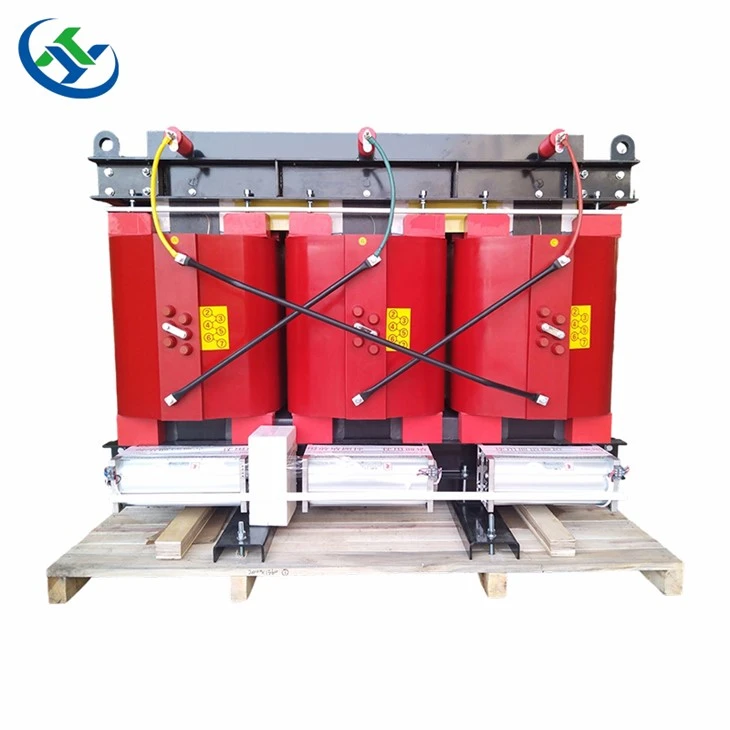
As a supplier of dry-type transformers, we offer a wide range of products to meet the diverse needs of our customers. Our products include Cast Resin Transformer for Offshore Drilling Platform, SC(B) Epoxy Resin Casting Dry Type Transformer, Epoxy Cast Dry-Type Traction Rectifier Transformer, Cast Resin Dry-Type Rectifier Transformer, and Amorphous Alloy Cast Resin Transformer. These transformers are designed with high-quality materials and advanced technology to ensure reliable performance and long service life.
Contact for Purchase
If you are interested in our dry-type transformers or have any questions about their operation and management, please feel free to contact us. We are committed to providing our customers with the best products and services. Our team of experts can help you select the right transformer for your application and provide you with professional advice on installation, operation, and maintenance.
References
- "Dry-Type Transformer Handbook" by the Electric Power Research Institute
- "Transformer Engineering: Design, Technology, and Diagnostics" by James H. McPherson
- Manufacturer's manuals and technical documents for dry-type transformers