

What is the current - carrying capacity of dry - type transformers?
As a supplier of dry - type transformers, I often receive inquiries about the current - carrying capacity of these essential electrical devices. Understanding the current - carrying capacity is crucial for ensuring the safe and efficient operation of electrical systems. In this blog, we will explore what the current - carrying capacity of dry - type transformers is, the factors that influence it, and how it impacts various applications.
Definition of Current - Carrying Capacity
The current - carrying capacity of a dry - type transformer refers to the maximum amount of electrical current that the transformer can handle continuously without exceeding its temperature limits. This capacity is typically measured in amperes (A) and is a key specification that determines the transformer's ability to supply power to connected loads.
Dry - type transformers are designed to convert electrical energy from one voltage level to another while maintaining a stable output. The current - carrying capacity is directly related to the transformer's power rating, which is usually expressed in kilovolt - amperes (kVA). A higher power rating generally means a higher current - carrying capacity, but other factors also play a significant role.
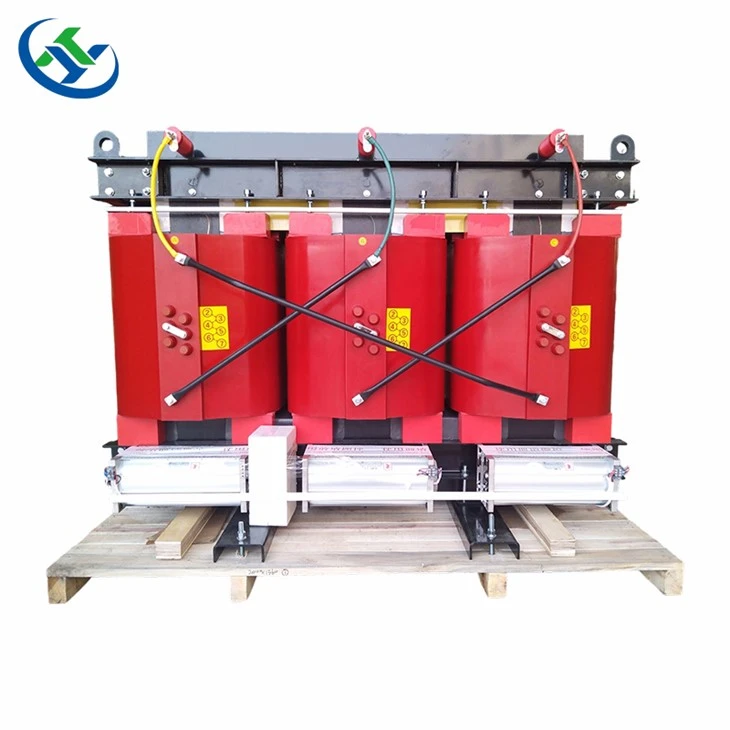

Factors Affecting Current - Carrying Capacity
- Transformer Design and Construction
- The size and type of the core and windings are critical factors. For example, a transformer with a larger cross - sectional area of the windings can carry more current. The material used for the windings also matters. Copper windings, for instance, have better electrical conductivity than aluminum windings, allowing for a higher current - carrying capacity.
- The insulation system of the transformer is another important aspect. High - quality insulation can withstand higher temperatures, which in turn allows the transformer to carry more current. Epoxy - cast dry - type transformers, such as the Epoxy Cast Dry - Type Traction Rectifier Transformer, are known for their excellent insulation properties, enabling them to handle relatively high currents.
- Ambient Temperature
- The temperature of the surrounding environment has a significant impact on the current - carrying capacity of a dry - type transformer. As the ambient temperature increases, the transformer's ability to dissipate heat decreases. This means that in a hot environment, the transformer may need to operate at a lower current to avoid overheating. For example, if a transformer is rated for a certain current at an ambient temperature of 40°C, it may need to be derated if the ambient temperature rises above this level.
- Cooling Method
- The cooling method employed by the transformer affects its current - carrying capacity. There are two main types of cooling for dry - type transformers: natural air cooling (AN) and forced air cooling (AF). Natural air cooling relies on the natural circulation of air around the transformer to dissipate heat. Forced air cooling, on the other hand, uses fans to blow air over the transformer, increasing the heat transfer rate. A transformer with forced air cooling can generally carry more current than one with natural air cooling.
- Load Type and Duty Cycle
- The type of load connected to the transformer and its duty cycle also influence the current - carrying capacity. A continuous load, which operates for long periods without interruption, requires a transformer with a sufficient current - carrying capacity to handle the constant demand. In contrast, an intermittent load, which has periods of high and low demand, may allow the transformer to operate at a higher current during peak periods as long as it has enough time to cool down during the low - demand periods.
Importance of Current - Carrying Capacity in Different Applications
- Industrial Applications
- In industrial settings, dry - type transformers are used to power various machinery and equipment. Understanding the current - carrying capacity is essential to ensure that the transformer can meet the power requirements of the industrial processes. For example, in a manufacturing plant, large motors and other electrical devices may draw a significant amount of current. A transformer with an inadequate current - carrying capacity may lead to overheating, reduced efficiency, and even equipment failure.
- Commercial Buildings
- In commercial buildings such as offices, shopping malls, and hotels, dry - type transformers are used to supply power to lighting, HVAC systems, and other electrical loads. The current - carrying capacity of the transformer must be carefully calculated to meet the peak demand of these loads. For instance, during peak shopping hours in a mall, the lighting and air - conditioning systems may require a large amount of power. A transformer with a proper current - carrying capacity ensures a stable power supply and a comfortable environment for the occupants.
- Renewable Energy Systems
- With the increasing adoption of renewable energy sources such as solar and wind power, dry - type transformers play a crucial role in integrating these energy sources into the grid. In a solar power plant, for example, the transformer needs to handle the variable current output from the solar panels. The current - carrying capacity of the transformer must be designed to accommodate the maximum current that can be generated by the solar array under different weather conditions.
Our Product Range and Current - Carrying Capacity
As a dry - type transformer supplier, we offer a wide range of products with different current - carrying capacities to meet the diverse needs of our customers. Our Amorphous Alloy Cast Resin Transformer is known for its high efficiency and excellent current - carrying capacity. The amorphous alloy core reduces core losses, allowing the transformer to operate more efficiently and carry more current.
We also have Cast Resin Transformer for Offshore Drilling Platform. These transformers are designed to withstand the harsh environmental conditions of offshore drilling platforms, including high humidity, salt spray, and vibration. They are engineered to have a high current - carrying capacity to meet the power requirements of the drilling equipment.
Contact Us for Your Transformer Needs
If you are in the market for dry - type transformers and need to determine the appropriate current - carrying capacity for your application, we are here to help. Our team of experts can provide you with detailed technical information and guidance to ensure that you select the right transformer for your specific requirements. Whether you are an industrial user, a commercial building owner, or involved in renewable energy projects, we have the products and expertise to meet your needs. Contact us today to start a discussion about your transformer procurement and let us assist you in making the best choice for your electrical system.
References
- IEEE Standard C57.12.01 - 2016, "Standard General Requirements for Dry - Type Distribution and Power Transformers".
- IEC 60076 - 11:2004, "Power transformers - Part 11: Dry - type transformers".
- ABB Group, "Dry - type Transformer Handbook".