

Hey there! As a supplier of Amorphous Alloy Cast Resin Transformers, I've seen firsthand how different environmental factors can mess with these bad boys. One factor that doesn't get as much attention as it should is humidity. In this blog, I'll break down how humidity impacts the operation of an Amorphous Alloy Cast Resin Transformer.
What's an Amorphous Alloy Cast Resin Transformer Anyway?
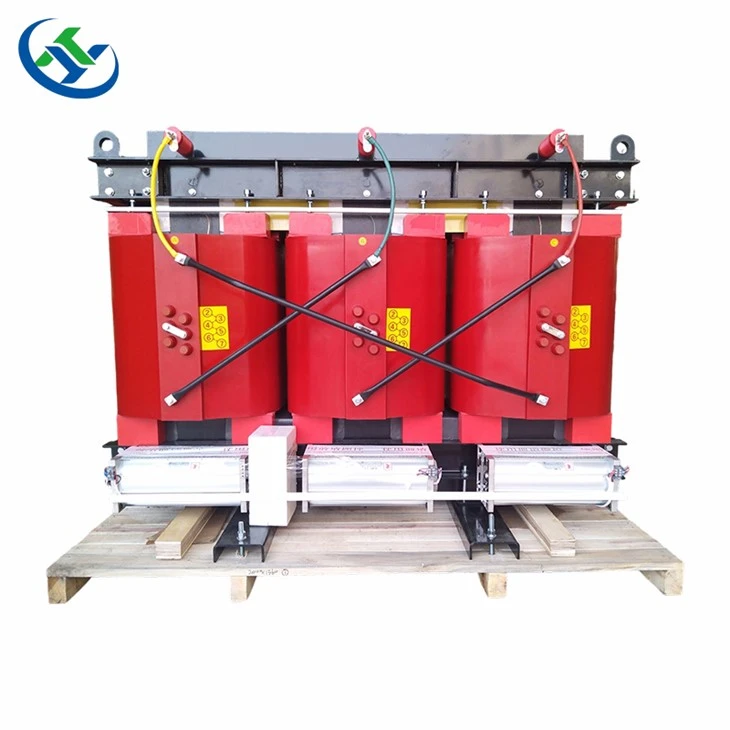
Before we dive into the humidity stuff, let's quickly go over what an Amorphous Alloy Cast Resin Transformer is. These transformers are a type of dry - type transformer. They use amorphous alloy cores, which are super efficient at reducing energy losses compared to traditional silicon - steel cores. The resin casting around the windings helps protect them from dust, moisture, and mechanical damage. You can check out more about them on this Amorphous Alloy Cast Resin Transformer page.

How Humidity Affects the Insulation
The insulation system in an Amorphous Alloy Cast Resin Transformer is crucial for its proper operation. Humidity can have a big impact on this insulation.
Surface Conductivity
When the air is humid, water molecules can condense on the surface of the transformer's insulation. This forms a thin layer of water that can increase the surface conductivity. In simple terms, it becomes easier for electricity to "leak" along the surface of the insulation. This leakage current can lead to power losses and, over time, cause damage to the insulation. If the leakage current gets too high, it can even lead to electrical breakdown, which is a serious problem.
Absorption of Moisture
Resin insulation can absorb moisture from the air. As the insulation absorbs water, its dielectric properties change. The dielectric strength, which is the ability of the insulation to withstand high voltages without breaking down, decreases. This means that the transformer becomes more vulnerable to electrical faults. For example, a small voltage spike that the transformer could normally handle might cause a breakdown in humid conditions.
Aging of Insulation
Moisture can accelerate the aging process of the insulation. Chemical reactions can occur between the water molecules and the insulation material, leading to the degradation of the insulation. This can reduce the lifespan of the transformer and increase the risk of failures.
Impact on Cooling
Humidity can also affect the cooling of an Amorphous Alloy Cast Resin Transformer.
Heat Dissipation
Dry - type transformers rely on air circulation to dissipate heat. When the air is humid, the moisture in the air can reduce the effectiveness of heat transfer. Water vapor has different thermal properties compared to dry air, and it can act as an insulator to some extent. This means that the heat generated by the transformer has a harder time escaping into the surrounding air. As a result, the temperature of the transformer can rise, which is not good for its performance and longevity.
Condensation in Cooling Channels
If the temperature inside the transformer drops below the dew point of the surrounding air, condensation can occur in the cooling channels. This water can block the airflow, further reducing the cooling efficiency. In addition, the presence of water in the cooling channels can cause corrosion of the metal components in the transformer.
Effects on Core Performance
The amorphous alloy core in these transformers is also affected by humidity.
Oxidation
Amorphous alloys are prone to oxidation when exposed to moisture. Oxidation can change the magnetic properties of the core. The core losses, which are the energy wasted as heat in the core, can increase. This means that the transformer becomes less efficient, and more energy is wasted during operation.
Mechanical Stress
As the amorphous alloy core absorbs moisture, it can expand slightly. This expansion can cause mechanical stress on the core and the surrounding components. Over time, this stress can lead to cracks in the core or damage to the winding support structures.
How to Mitigate the Impact of Humidity
As a supplier, I know it's important to help our customers deal with the effects of humidity. Here are some ways to mitigate these impacts:
Enclosure Design
Using a well - sealed enclosure can prevent moisture from entering the transformer. The enclosure should be designed to have proper ventilation to allow for air circulation while keeping out water. Some enclosures are equipped with moisture - absorbing materials to reduce the humidity inside.
Heaters
Installing heaters inside the transformer enclosure can help keep the temperature above the dew point. This prevents condensation from occurring on the insulation and other components. The heaters can be controlled by a thermostat to turn on when the temperature drops.
Monitoring
Regularly monitoring the humidity levels inside the transformer enclosure is essential. This can be done using humidity sensors. If the humidity levels get too high, appropriate actions can be taken, such as increasing the heater output or improving the ventilation.
Other Related Transformers
We also offer other types of dry - type transformers, like the SC(B) Epoxy Resin Casting Dry Type Transformer and the Epoxy Cast Dry - Type Traction Rectifier Transformer. These transformers also need to be protected from humidity to ensure optimal performance.
Wrapping It Up and Reaching Out
In conclusion, humidity can have a significant impact on the operation of an Amorphous Alloy Cast Resin Transformer. It can affect the insulation, cooling, and core performance, leading to reduced efficiency, increased energy losses, and a shorter lifespan. But with the right mitigation strategies, these impacts can be minimized.
If you're in the market for an Amorphous Alloy Cast Resin Transformer or any of our other products, don't hesitate to reach out. We're here to help you choose the right transformer for your needs and provide you with solutions to deal with environmental challenges like humidity. Let's have a chat about your requirements and see how we can work together to ensure your electrical systems run smoothly.
References
- "Handbook of Transformer Technology: Design and Application" by James H. Harlow
- "Dry - Type Transformer Engineering" by various industry experts