

As a supplier of Epoxy Cast Dry - Type Traction Rectifier Transformers, I understand the critical importance of reliability in these transformers. In this blog, I will share some effective strategies to improve the reliability of Epoxy Cast Dry - Type Traction Rectifier Transformers.
1. Material Selection
The quality of materials used in the manufacturing of the transformer is the foundation for its reliability. High - quality epoxy resin is essential for the casting process. It should have excellent electrical insulation properties, high thermal stability, and good mechanical strength. For example, using epoxy resin with a high glass transition temperature can ensure that the transformer can withstand high - temperature environments without significant degradation of its performance.
When it comes to the core material, amorphous alloy can be a great choice. Amorphous Alloy Cast Resin Transformer offers lower core losses compared to traditional silicon steel cores. This not only improves the energy efficiency of the transformer but also reduces the heat generation, which in turn enhances the reliability of the transformer.
2. Design Optimization
Proper design is crucial for the reliability of the transformer. The electrical design should be carefully calculated to ensure that the transformer can handle the rated current and voltage without overheating or insulation breakdown. For instance, the winding design should take into account factors such as the number of turns, wire gauge, and winding arrangement. A well - designed winding can reduce the resistance and leakage reactance, thereby improving the efficiency and reliability of the transformer.
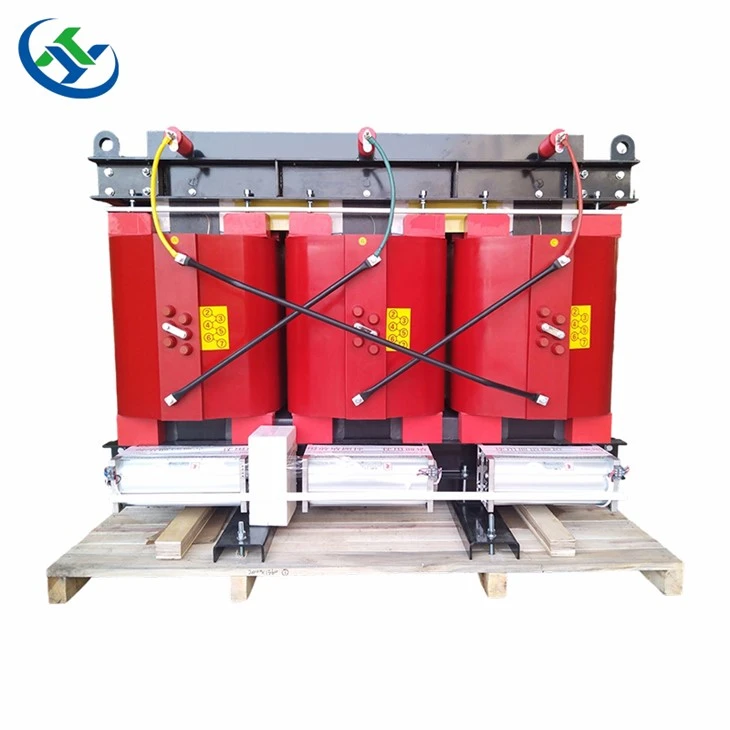

In addition, the mechanical design of the transformer should provide sufficient support and protection. The enclosure should be strong enough to withstand external impacts and environmental factors. It should also have good ventilation to dissipate heat effectively. For example, the use of fin - type radiators can increase the surface area for heat dissipation, reducing the operating temperature of the transformer.
3. Manufacturing Process Control
Strict control of the manufacturing process is necessary to ensure the reliability of the transformer. During the epoxy casting process, the temperature, pressure, and curing time should be carefully controlled. Any deviation from the specified parameters can lead to defects such as voids or cracks in the epoxy resin, which can compromise the insulation performance of the transformer.
Quality control measures should be implemented at every stage of the manufacturing process. For example, non - destructive testing methods such as ultrasonic testing and partial discharge testing can be used to detect any potential defects in the transformer. These tests can help identify problems early and allow for corrective actions to be taken before the transformer is put into service.
4. Installation and Commissioning
Proper installation and commissioning are also important for the reliability of the transformer. The transformer should be installed in a suitable location with good ventilation and protection from environmental factors. The electrical connections should be made correctly to ensure proper electrical performance.
During the commissioning process, a series of tests should be carried out to verify the performance of the transformer. These tests include insulation resistance testing, turns ratio testing, and load testing. Any issues detected during the commissioning process should be addressed immediately to ensure the reliable operation of the transformer.
5. Maintenance and Monitoring
Regular maintenance and monitoring are essential for the long - term reliability of the transformer. Maintenance tasks such as cleaning, inspection, and tightening of electrical connections should be carried out at regular intervals. This can help prevent problems such as overheating, insulation degradation, and loose connections.
Monitoring the operating parameters of the transformer, such as temperature, current, and voltage, can provide early warning of potential problems. For example, an increase in the operating temperature of the transformer may indicate a problem with the cooling system or an overloaded condition. By detecting these problems early, appropriate actions can be taken to prevent failures.
6. Training and Support
Providing training to the end - users of the transformer is also important for its reliability. The users should be educated on the proper operation, maintenance, and monitoring of the transformer. This can help them identify and address any potential problems in a timely manner.
In addition, as a supplier, we should provide comprehensive technical support to our customers. This includes answering their questions, providing troubleshooting guidance, and offering spare parts when needed. By providing excellent support, we can ensure that the transformers operate reliably throughout their service life.
Conclusion
Improving the reliability of Epoxy Cast Dry - Type Traction Rectifier Transformers requires a comprehensive approach that includes material selection, design optimization, manufacturing process control, installation and commissioning, maintenance and monitoring, and training and support. By implementing these strategies, we can ensure that our transformers meet the high - quality standards required for reliable operation in traction applications.
If you are interested in purchasing Epoxy Cast Dry - Type Traction Rectifier Transformers or have any questions about improving their reliability, please feel free to contact us for further discussion. We are committed to providing high - quality products and excellent service to meet your needs.
References
- IEEE Standard for Dry - Type Distribution and Power Transformers (IEEE C57.12.01)
- IEC 60076 - 11: Dry - type transformers - Part 11: Resin - encapsulated and impregnated type transformers