

Hey there! As a supplier of prefabricated substations, I often get asked about the dielectric strength requirement of these nifty pieces of equipment. So, let's dive right in and break it down.
First off, what exactly is dielectric strength? Well, in simple terms, it's the maximum electric field that an insulating material can withstand without breaking down and allowing current to flow through it. Think of it as the "toughness" of the insulation in a prefabricated substation.
Now, why is dielectric strength so important in a prefabricated substation? Prefabricated substations are used to transform and distribute electrical power. They're like the traffic cops of the electrical grid, making sure that electricity gets where it needs to go safely and efficiently. If the dielectric strength of the insulation in a substation is too low, it can lead to electrical breakdowns, which can cause power outages, equipment damage, and even pose a safety risk to people.
So, what are the dielectric strength requirements for a prefabricated substation? The requirements can vary depending on a few factors, such as the voltage level of the substation, the type of insulation used, and the environmental conditions in which the substation will be installed.
For low - voltage prefabricated substations (typically up to 1 kV), the dielectric strength requirements are generally less stringent compared to high - voltage ones. The insulation materials used in these substations are usually designed to withstand relatively lower electric fields. However, even at these lower voltage levels, proper dielectric strength is crucial to prevent short - circuits and other electrical issues.
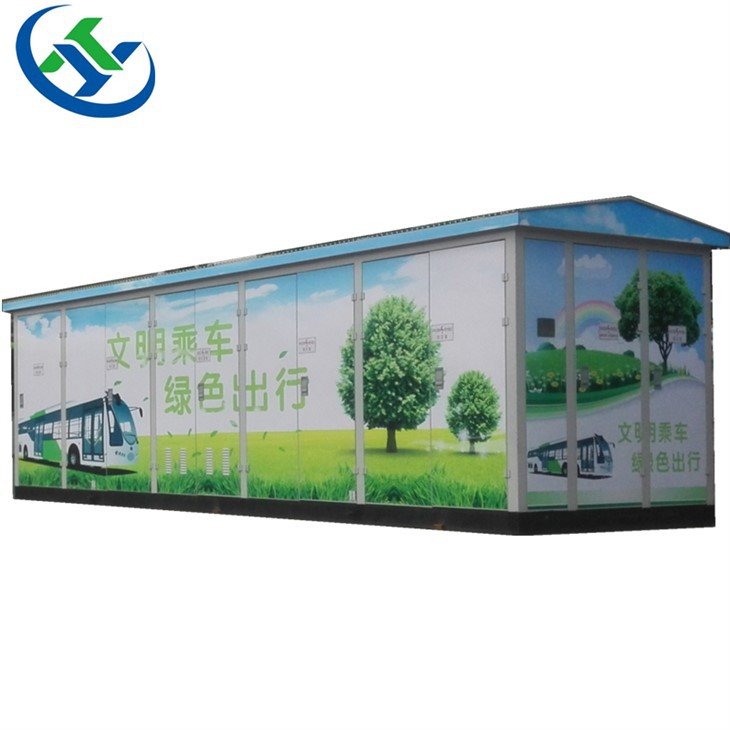

When we move up to medium - voltage prefabricated substations (ranging from 1 kV to 35 kV), the dielectric strength requirements become more demanding. These substations are often used in industrial and commercial settings, where a reliable power supply is essential. The insulation materials need to be able to handle higher electric fields without breaking down. For example, the insulation might need to withstand a certain level of impulse voltage, which can occur during lightning strikes or other electrical disturbances.
High - voltage prefabricated substations (above 35 kV) have the most rigorous dielectric strength requirements. These substations are a critical part of the power grid, and any failure can have far - reaching consequences. The insulation materials used in high - voltage substations are carefully selected and tested to ensure they can handle the extremely high electric fields. They need to be able to withstand not only normal operating voltages but also transient overvoltages that can occur due to various factors like switching operations or faults in the grid.
As a prefabricated substation supplier, we take dielectric strength very seriously. We use high - quality insulation materials and follow strict manufacturing processes to ensure that our substations meet or exceed the required dielectric strength standards. We also conduct thorough testing on each substation before it leaves our facility to make sure it's up to the task.
Now, let's talk about some of the insulation materials commonly used in prefabricated substations. One of the most popular materials is epoxy resin. Epoxy resin has excellent dielectric properties, high mechanical strength, and good chemical resistance. It can be molded into various shapes, making it suitable for different components of the substation. Another common material is porcelain. Porcelain has been used in electrical insulation for a long time and is known for its high dielectric strength and resistance to environmental factors.
When it comes to our product range, we offer a variety of prefabricated substations to meet different customer needs. For example, we have the Prefabricated Substation for EV Charging Piles. These substations are specifically designed to support the growing demand for electric vehicle charging. They need to have proper dielectric strength to ensure safe and reliable operation, especially considering the high - power requirements of EV charging.
We also have the ZBW Type Prefabricated Substation. This type of substation is widely used in various applications, from rural power distribution to industrial complexes. It's designed with high - quality insulation materials to meet the dielectric strength requirements for its intended voltage levels.
If you're in the market for a prefabricated substation, it's important to consider the dielectric strength requirements based on your specific needs. You need to think about the voltage level, the location where the substation will be installed, and the expected electrical loads. A substation with the right dielectric strength will not only ensure reliable power supply but also help prevent costly downtime and equipment damage.
As a supplier, we're here to help you choose the right prefabricated substation for your project. We can provide you with detailed information about the dielectric strength of our products and how they meet industry standards. If you have any questions or are interested in purchasing a prefabricated substation, don't hesitate to reach out. We're always ready to have a chat and discuss your requirements.
In conclusion, dielectric strength is a critical aspect of prefabricated substations. It ensures the safe and efficient operation of these important electrical components. Whether you're looking for a substation for EV charging or a general - purpose distribution substation, make sure to consider the dielectric strength requirements. And if you're in the market for a prefabricated substation, we're here to assist you every step of the way.
References:
- Electrical Insulation Handbook, various editions
- Standards and guidelines from relevant electrical engineering organizations.