

Hey there! As a supplier of SC(B) Epoxy Resin Casting Dry Type Transformers, I'm super excited to chat about the role of the ventilation system in these amazing pieces of equipment. Let's dive right in!
Understanding SC(B) Epoxy Resin Casting Dry Type Transformers
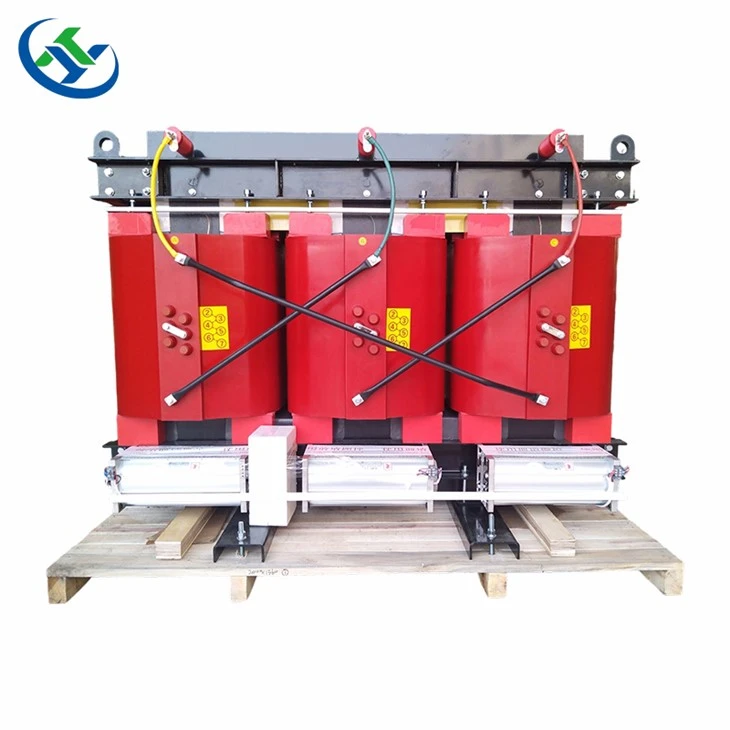
First off, let's quickly go over what an SC(B) Epoxy Resin Casting Dry Type Transformer is. These transformers are pretty cool. They use epoxy resin to encapsulate the windings, which provides excellent electrical insulation and protection against environmental factors like moisture, dust, and chemicals. This makes them suitable for a wide range of applications, from industrial settings to commercial buildings. You can learn more about them here.
The Importance of the Ventilation System
Now, let's talk about the ventilation system. It plays a crucial role in the performance and lifespan of the SC(B) Epoxy Resin Casting Dry Type Transformer. You see, when the transformer is operating, it generates heat. If this heat isn't properly managed, it can cause all sorts of problems.
Heat Dissipation
The primary function of the ventilation system is to dissipate heat. When the transformer is in use, electrical losses occur in the windings and core, which generate heat. If the temperature gets too high, it can degrade the insulation materials, reduce the efficiency of the transformer, and even lead to premature failure. The ventilation system helps to remove this heat by circulating air around the transformer.
There are different types of ventilation systems used in SC(B) Epoxy Resin Casting Dry Type Transformers. Some use natural convection, where hot air rises and is replaced by cooler air. This is a simple and cost - effective method, but it may not be sufficient for high - power transformers. Other systems use forced ventilation, where fans are used to blow air through the transformer. This provides more efficient heat dissipation and is often used in larger transformers or those operating in high - temperature environments.

Preventing Moisture Buildup
Another important role of the ventilation system is to prevent moisture buildup. Moisture can be a big problem for transformers because it can reduce the insulation resistance and increase the risk of electrical breakdown. By circulating dry air through the transformer, the ventilation system helps to keep the internal environment dry. This is especially important in humid environments or in areas where the transformer may be exposed to condensation.
Maintaining Air Quality
The ventilation system also helps to maintain the air quality inside the transformer. Over time, the insulation materials in the transformer can release small amounts of gases. If these gases are allowed to accumulate, they can be harmful to the transformer and may even pose a safety risk. The ventilation system helps to remove these gases and keep the air inside the transformer clean.
How the Ventilation System Works
Let's take a closer look at how the ventilation system actually works. In a forced - ventilation system, fans are usually installed at the bottom or side of the transformer. These fans draw in cool air from the outside and blow it through the transformer. The air passes over the windings and core, absorbing heat as it goes. The heated air then exits the transformer through vents at the top or side.
The ventilation system is often controlled by a thermostat. When the temperature inside the transformer reaches a certain level, the thermostat activates the fans. Once the temperature drops below the set point, the fans turn off. This helps to conserve energy and ensure that the transformer operates at an optimal temperature.
Comparing with Other Types of Transformers
It's interesting to compare the ventilation requirements of SC(B) Epoxy Resin Casting Dry Type Transformers with other types of transformers. For example, Amorphous Alloy Cast Resin Transformers also have ventilation systems, but their heat generation characteristics may be different. Amorphous alloy transformers generally have lower core losses, which means they generate less heat. As a result, their ventilation systems may be less demanding.
On the other hand, Dry - Type Drive Isolation Transformers are often used in applications where there are high - frequency harmonics. These harmonics can cause additional heat generation in the transformer, so their ventilation systems need to be more robust to handle the extra heat.
Factors Affecting the Ventilation System
There are several factors that can affect the performance of the ventilation system in an SC(B) Epoxy Resin Casting Dry Type Transformer.
Transformer Load
The load on the transformer has a big impact on the heat generation. When the transformer is operating at full load, it generates more heat than when it's operating at a partial load. As a result, the ventilation system needs to work harder to dissipate the heat. It's important to size the ventilation system correctly based on the expected load of the transformer.
Ambient Temperature
The ambient temperature also plays a role. In hot environments, the ventilation system has to work harder to remove the heat from the transformer. If the ambient temperature is too high, it may be necessary to use additional cooling methods, such as installing air - conditioning units near the transformer.
Installation Location
The location where the transformer is installed can also affect the ventilation system. If the transformer is installed in a confined space with poor air circulation, it can be more difficult for the ventilation system to work effectively. It's important to ensure that there is enough space around the transformer for proper air flow.
Maintaining the Ventilation System
Proper maintenance of the ventilation system is crucial to ensure the long - term performance of the SC(B) Epoxy Resin Casting Dry Type Transformer. Here are some tips for maintaining the ventilation system:
- Clean the Fans and Vents: Regularly clean the fans and vents to remove dust and debris. This will ensure that the air can flow freely through the transformer.
- Check the Fan Operation: Periodically check the operation of the fans to make sure they are working properly. If a fan is not working, it should be replaced immediately.
- Inspect the Thermostat: Check the thermostat to ensure that it is accurately controlling the operation of the fans. If the thermostat is not working correctly, it can cause the transformer to overheat.
Conclusion
In conclusion, the ventilation system is an essential part of an SC(B) Epoxy Resin Casting Dry Type Transformer. It plays a vital role in heat dissipation, preventing moisture buildup, and maintaining air quality. By understanding the role of the ventilation system and taking proper care of it, you can ensure that your transformer operates efficiently and has a long lifespan.
If you're in the market for an SC(B) Epoxy Resin Casting Dry Type Transformer or have any questions about ventilation systems, feel free to reach out. We're here to help you make the right choice for your needs.
References
- "Transformer Handbook" by John J. Burke
- "Electrical Power Systems" by Turan Gonen